What the laws are trying to prevent
Distraction is broader than texting. It can include holding a phone, reading or sending messages, dialing, adjusting navigation or entertainment systems, eating, or engaging with passengers. Different tasks divert attention in different ways: looking away from the road, taking a hand away from vehicle control, or mentally focusing on something other than driving.
Phone-specific laws give police and drivers clearer rules for a common source of distraction. Broader careless-driving or due-care rules can address unsafe conduct that a device ban does not cover. Many laws allow some hands-free communication, but jurisdictions differ on whether a driver may touch a mounted phone, use a single control, view a display, or wear an earpiece.
What the regional comparisons have in common
- Phone use is a recurring focus. Handheld calls, texting, messaging, and manually operating a device are restricted in most of the jurisdictions covered, although the precise offence differs.
- Hands-free does not mean unlimited use. Voice controls or built-in systems may be permitted, but restrictions can remain on touching, typing, holding, or viewing a device. Some places impose stricter rules on novice drivers.
- Temporary stops are often still part of driving. A red light or traffic queue does not automatically make phone use legal. Some statutes expressly say so; others depend on how the law defines operating, driving, or being in circulation.
- Penalties can escalate. Depending on location and conduct, consequences may include fines, licence points, demerit points, suspension, impoundment, or more serious charges after a dangerous event or crash.
- Local details matter. Even when a national or regional baseline exists, local rules, enforcement practices, fine schedules, and exceptions can change what applies on a particular road.
Why regional interpretations differ
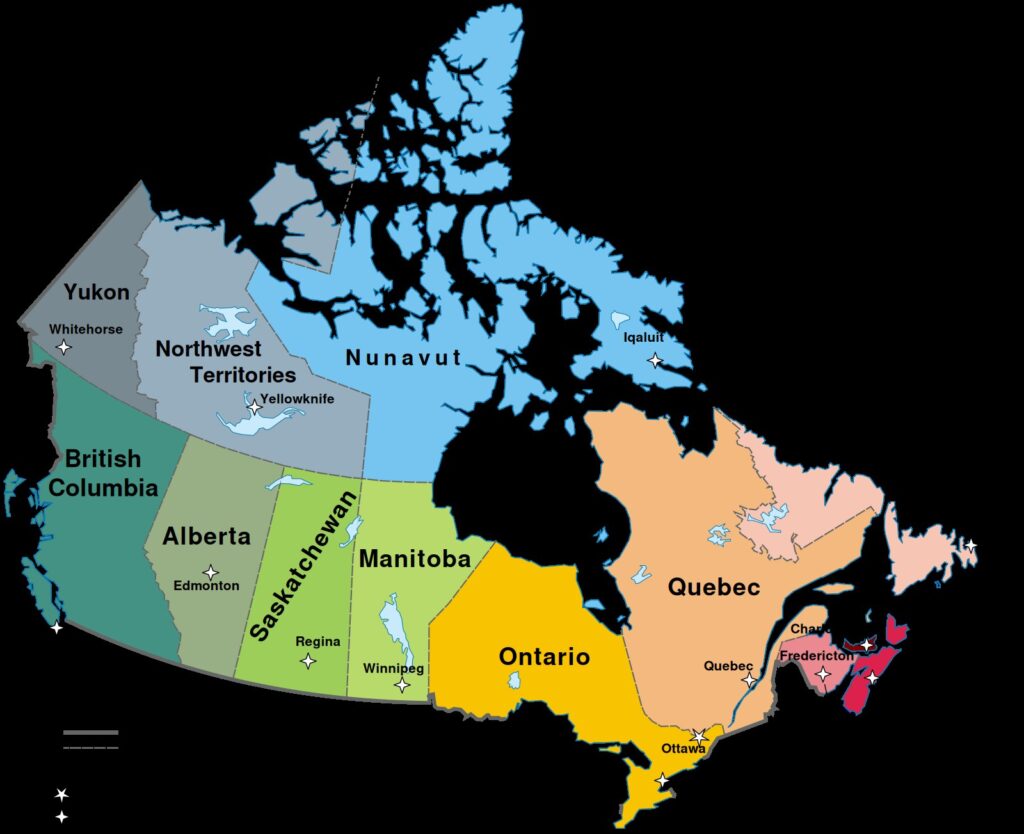
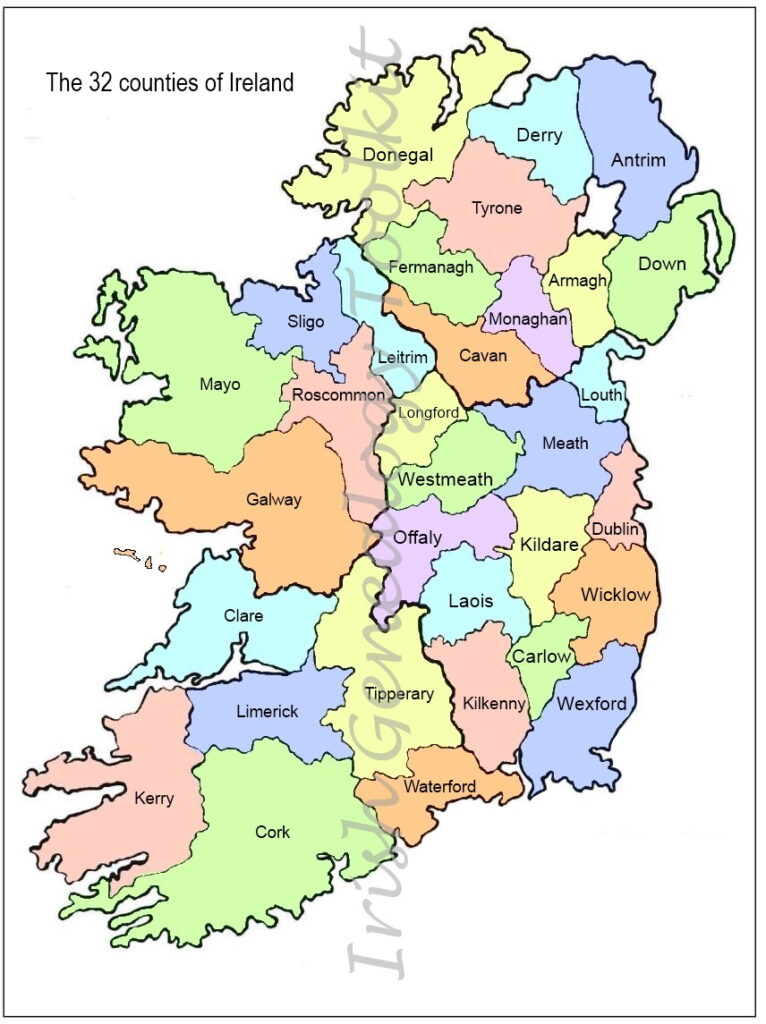
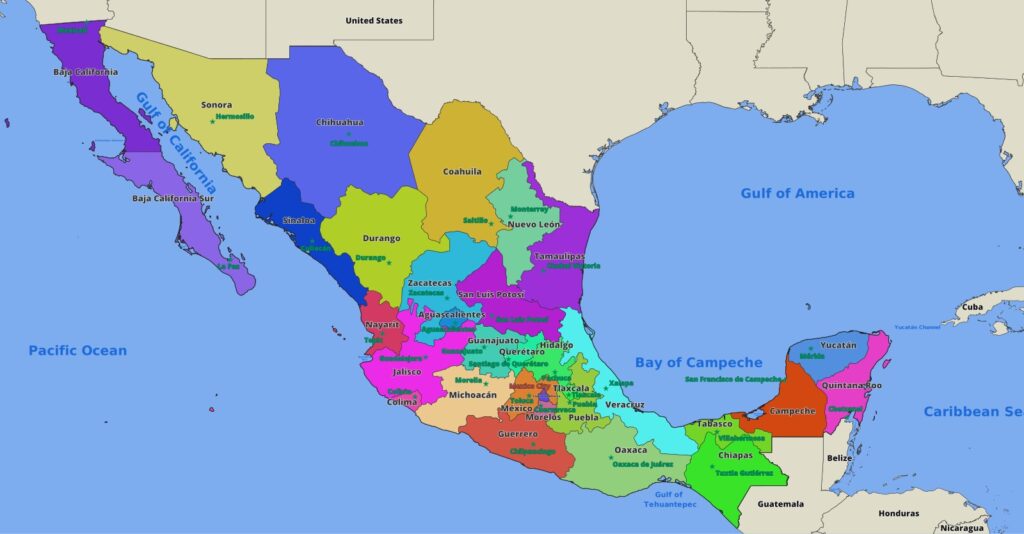
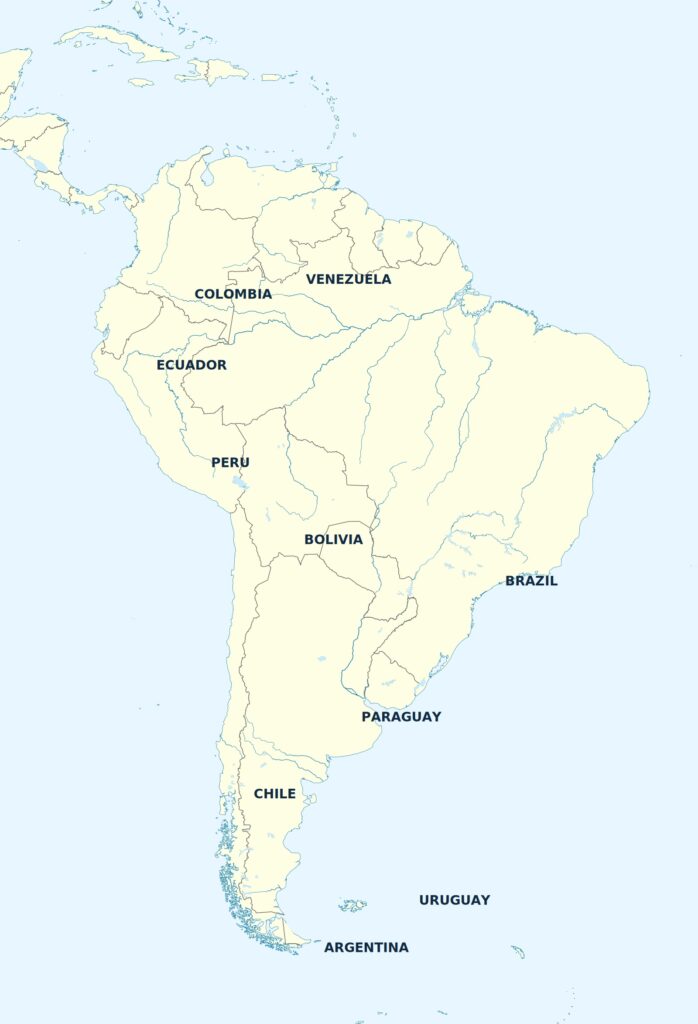
- Constitutional authority is divided differently. Canada and the United States leave much routine road-use regulation to provinces, territories, states, or local governments. Mexico has a national mobility and road-safety framework alongside federal highway rules and local state and municipal traffic regulations. Argentina and Bolivia also show substantial local variation. Spain and France rely more heavily on national traffic codes, while local bodies may still administer enforcement or add specific measures.
- Legislatures draw the offence differently. A law may ban texting alone, holding any phone, manual operation of a phone or GPS, or any activity that interferes with safe driving. A rule focused on holding a device can be easier to define and prove; a broader “due care” rule can reach more conduct but may leave more discretion to enforcement and courts.
- Governments make different choices about technology. Some allow hands-free calls if the driver does not hold a phone; others limit touching a mounted device or prohibit earpieces. Statutes and guidance also change as vehicle screens, voice controls, navigation apps, and communications technologies develop.
- Penalty systems are built on local legal frameworks. Fines may be fixed amounts, ranges, multiples of an indexed unit, percentages of wages, or amounts set by municipal schedules. Some places add points or licence suspensions, while others rely more heavily on fines or insurance consequences. Currency conversions and indexed units can change, so an old converted amount may quickly become misleading.
- Enforcement and evidence vary. Some offences allow a citation for phone use alone; others require another violation or have narrower conditions. Police and collision investigators may not be able to establish distraction after a crash, especially if the activity was brief or no device record is available. That affects both enforcement and the statistics used to describe the problem.
- What cellphone-related crash statistics show: Phone-specific crash counts are narrower than distracted-driving totals: they count crashes where investigators recorded cellphone activity, not every crash involving another kind of distraction. They also depend on what police and investigators can establish, so recorded phone-related crashes are likely an incomplete count.
Canada
Transport Canada’s Road Safety in Canada 2020 reports that estimates from the four Canadian jurisdictions then tracking distraction types found mobile-device use was a contributing factor in roughly 2% of fatal and injury collisions per year. This is a phone/device-specific collision estimate, but it is not a complete national census and the report does not provide a national phone-attributed death total. The report also summarizes observed driver behaviour: in the 2016 urban and 2017 rural roadside surveys, about 7.2% of drivers were observed using mobile devices while driving.
United States
NHTSA’s 2024 data provide a phone-specific fatality count: police reports identified cellphone activity in 404 fatal crashes, and 437 people died in those crashes. In the same year, NHTSA estimated 67,518 police-reported crashes of all severities involving cellphone use or related activities, including 22,889 injury crashes. An estimated 32,327 people were injured in cellphone-related crashes.
These figures include activities such as talking on, listening to, or otherwise engaging with a cellphone at the time of the crash. They do not count all distracted-driving crashes. NHTSA also cautions that crash-reporting systems have limitations; cellphone use may not be observed or confirmed after a collision, and nonfatal crash and injury totals are estimates.
How to compare the figures: Canada’s roughly 2% estimate is drawn from four jurisdictions and combines fatal and injury collisions; it is not directly comparable with NHTSA’s U.S. national 2024 counts. The U.S. figure of 437 deaths counts everyone killed in crashes where cellphone activity was recorded, not only the driver using the phone.
What delivery platforms tell drivers about phone use
Delivery-app companies have their own public safety guidance in addition to traffic laws.
DoorDash tells Dashers to check a phone only when safely parked. Its Driving Insights feature flags phone handling when the phone appears to be in the driver’s hand, unlocked, while the vehicle is moving; DoorDash recommends mounting the phone, enabling voice activation, and pulling over safely to text or chat with a customer. DoorDash also says Dashers are responsible for following applicable traffic and distracted-driving laws.
Uber’s Dangerous Driving Policy applies to drivers and delivery people using the Uber platform, including Uber Eats delivery partners. It identifies phone handling and texting as examples of distracted driving, says it uses rider reports and phone-sensor signals to help identify dangerous driving, and warns that serious or repeated reports or signals may result in loss of platform access. Uber’s driver guidance recommends a phone mount, Bluetooth, and prewritten replies to reduce handling while driving.
The practical message from both platforms is consistent: use the phone only as needed for the delivery task, set it up before moving, and wait until safely parked to handle or respond to messages. Platform guidance does not replace local law, which may be stricter and may restrict even mounted-device interactions.
How to use this series
The country and regional articles that follow are intended as practical comparisons, not a substitute for current official guidance. They identify shared rules, notable differences, penalties, and cases where current details could not be confirmed confidently. Before driving, check the law for the province, state, country, municipality, road authority, and driver category that apply to your trip—especially if you are crossing a border.
Across jurisdictions, the most reliable safety practice is straightforward: set the route and audio before moving, keep the phone out of your hands in traffic, and pull fully out of the travel lane and park before handling a device.
This article is a general overview, not legal advice. Laws and statistical releases change. Confirm current requirements with the relevant traffic authority and consult each linked statistical source for definitions and coverage.
Sources
- Transport Canada, Road Safety in Canada 2020: mobile-device collision estimate and roadside observation data
- NHTSA, Distracted Driving in 2024 (Traffic Safety Facts, April 2026): cellphone-involved fatal and injury crashes
- DoorDash, Driving Insights: phone handling and safer-driving tips
- DoorDash Dasher Central, new Dasher guide: check your phone only when safely parked
- DoorDash, Car Dashing: follow applicable traffic and distracted-driving laws
- Uber, Dangerous Driving Policy: distracted driving, phone sensor data, and account consequences
- Uber Help, Improving your driving behaviors: phone mount, Bluetooth, and prewritten replies